Diesel Exhaust Fluid in Industry: Applications, Case Studies & Best Practices
April 25, 2026
Diesel exhaust fluid fleet management applications have become increasingly important for industrial operators that depend on compliant, efficient diesel vehicles. In Sohar, heavy transport, logistics, construction support, and industrial service fleets often run equipment and vehicles with selective catalytic reduction systems. For these operations, Diesel Exhaust Fluid, or DEF, is not just another stored consumable. It is part of the reliability chain that helps vehicles stay operational while supporting cleaner exhaust performance.
Sohar Chemicals works with industrial users who need practical answers about diesel exhaust fluid fleet management applications, not generic summaries. This guide looks at how DEF is used in industry, where it creates operational value, what common problems look like, and which best practices help fleet teams perform more consistently.
What is diesel exhaust fluid in an industrial context?
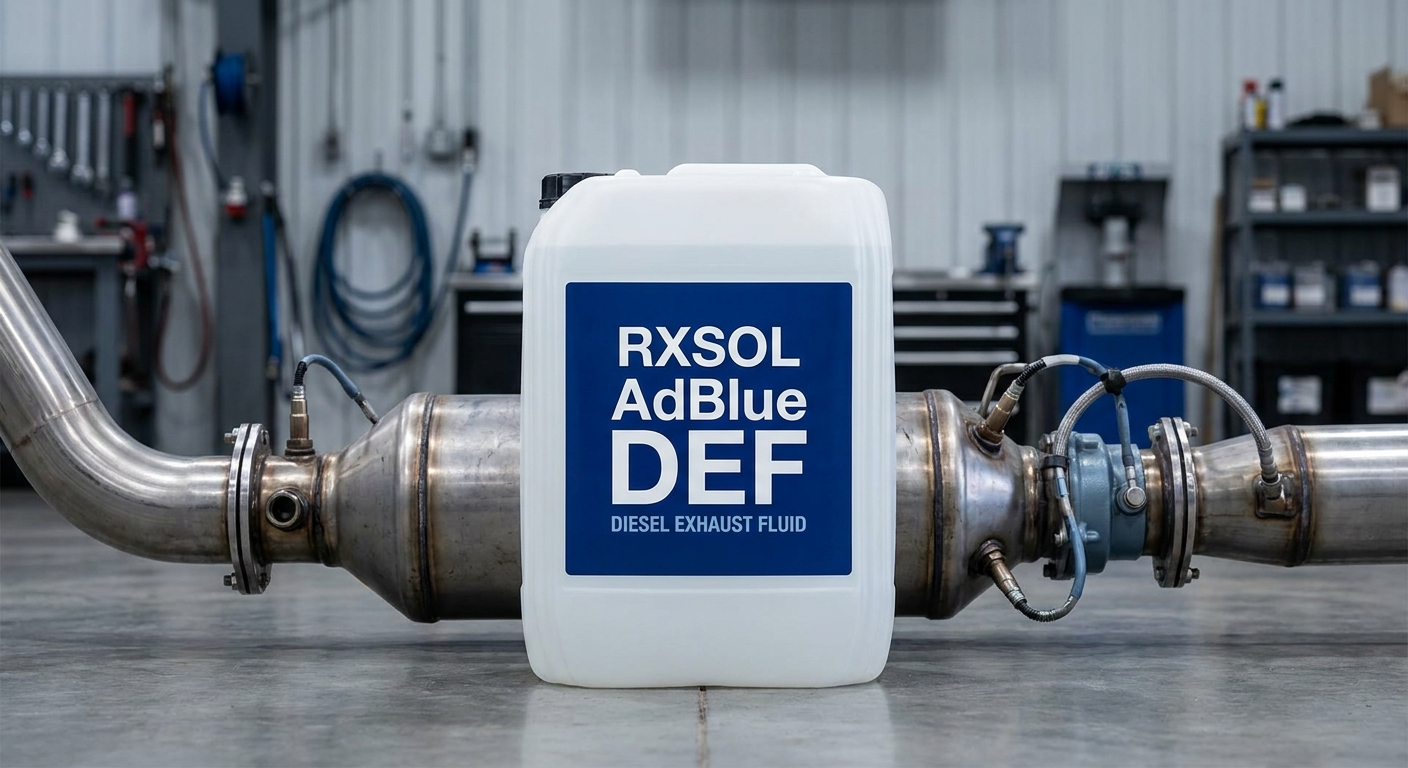
Diesel Exhaust Fluid is a high-purity mixture of synthetic urea and deionized water used in diesel engines equipped with SCR after-treatment systems. It is stored separately from diesel fuel and injected into the exhaust stream to reduce nitrogen oxide emissions.
In industrial environments, the value of DEF is closely connected to fleet continuity. If DEF quality, storage, or replenishment procedures fail, vehicle availability can suffer. That is why diesel exhaust fluid fleet management applications should be viewed through both a maintenance lens and an operations lens.
Where diesel exhaust fluid is used in Sohar industry
Sohar industrial activity includes logistics movement, construction support, engineering services, marine-linked transport, and utility-related operations. Across these sectors, diesel exhaust fluid fleet management applications commonly appear in:
Heavy trucks and transport vehicles
Long-haul and regional transport fleets use DEF to support emissions-control systems in SCR-equipped trucks. These vehicles often operate on demanding schedules where downtime has a direct cost.
Construction and contracting fleets
Support vehicles, dump trucks, mobile service units, and some heavy equipment platforms rely on DEF when fitted with compliant diesel engine systems.
Port and industrial support operations
Vehicles linked to cargo movement, industrial service delivery, and site logistics may require disciplined DEF supply and storage to keep operations moving.
Utility and maintenance service fleets
Inspection vehicles, mobile response units, and contractor fleets benefit from planned DEF replenishment because they often move between yard storage and field activity.
Sohar Chemicals helps customers align supply planning with these real-use diesel exhaust fluid fleet management applications.
Why DEF matters for fleet management
Industrial fleet managers usually focus on uptime, route planning, maintenance intervals, and operator discipline. DEF affects all four.
Compliance support
SCR systems depend on correct DEF to reduce nitrogen oxide emissions. Without usable DEF in the system, vehicles may issue warnings or enter power-limited modes depending on the design.
Reduced avoidable disruption
A vehicle delayed by DEF-related alerts can affect schedules, loading plans, and customer commitments. Good supply planning helps prevent those interruptions.
Better maintenance consistency
Clean fluid and proper handling reduce the risk of contamination-related service issues. This improves predictability for workshop teams.
Stronger stock planning
Tracking actual usage by fleet type gives managers a better view of consumption, refill timing, and emergency-stock requirements.
These are the practical reasons diesel exhaust fluid fleet management applications deserve attention from operations teams in Sohar.
Case study scenario 1: Regional logistics fleet
Consider a regional transport company operating multiple trucks between Sohar, Muscat, and inland customer locations. The business initially treats DEF as an ad hoc purchase handled by drivers. Over time, several problems appear:
- refill timing is inconsistent
- some containers are stored in hot conditions
- contamination risk increases because of mixed transfer tools
- vehicle alerts start appearing more often
After introducing a simple centralized process, the fleet improves reliability. The company standardizes approved supply, stores product in a shaded area, uses dedicated refill tools, and records top-up frequency by vehicle type. This does not change the chemistry of DEF, but it improves the operation around it. That is a practical example of how diesel exhaust fluid fleet management applications create value.
Case study scenario 2: Industrial contractor with mixed vehicles
A contractor serving sites in the Sohar industrial zone uses service pickups, transport trucks, and support equipment. The challenge is not only product supply. It is consistency across teams and shifts.
The business creates a site-level procedure:
- one approved supplier
- one refill checklist
- one training note for drivers and workshop staff
- one monthly usage review
That structure helps reduce confusion, especially when multiple supervisors manage different units. Sohar Chemicals often sees the same pattern in industrial environments where operational discipline matters more than complexity.
Best practices for DEF in industrial fleets
1. Keep DEF handling separate and clean
Use dedicated storage and transfer equipment. Do not reuse dirty diesel or chemical containers.
2. Train operators on the difference between DEF and diesel
Even experienced staff can make avoidable mistakes under pressure. Visual labels and short procedure reminders help.
3. Match stock levels to operating intensity
A high-use fleet should not depend on last-minute buying. Consumption planning should reflect route load, vehicle count, and refill frequency.
4. Protect product quality during storage
Store sealed containers away from direct heat, dust, and contamination sources. Good housekeeping matters.
5. Track unusual consumption or repeated alerts
If one vehicle consumes DEF differently from similar units, check system condition, usage pattern, or handling issues instead of ignoring the signal.
6. Work with a supplier that understands industrial demand
Sohar Chemicals supports industrial users who need dependable supply for real diesel exhaust fluid fleet management applications, including repeat ordering and practical handling guidance.
Common problems to watch for
Contamination
This is one of the most common operational risks. Dust, fuel residue, grease, or poor transfer containers can lead to DEF quality problems at the point of use.
Poor stock rotation
If inventory sits too long in unsuitable conditions, product performance confidence falls. Simple stock rotation helps prevent this.
Emergency-only purchasing
When procurement happens only after warning lights appear, the business loses control of planning. Scheduled replenishment is more efficient.
Inconsistent procedures across sites
Multi-yard or multi-team operations often need a common standard so that each location does not improvise its own process.
How Sohar operators can improve fleet performance with better DEF management
A useful improvement plan does not have to be complicated. Fleet managers can start with a few practical actions:
- classify vehicles that require DEF
- estimate average refill cycles
- designate approved storage points
- issue dedicated handling tools
- assign responsibility for stock review
- train drivers and workshop staff on basic procedure
This turns diesel exhaust fluid fleet management applications from a reactive maintenance issue into a controlled operating process.
Why Sohar Chemicals is a practical partner
Industrial buyers in Sohar usually need dependable service, not unnecessary complexity. Sohar Chemicals supports businesses that want a straightforward approach to diesel exhaust fluid procurement, handling, and repeat supply. That includes helping operators think about application fit, storage discipline, and supply continuity.
For heavy vehicle operators in the Sohar industrial zone, the right DEF sourcing strategy supports both day-to-day reliability and longer-term operating discipline.
Conclusion
Diesel exhaust fluid plays a direct role in modern industrial fleet performance. Its main job is emissions control within SCR systems, but the bigger operational story is about uptime, handling quality, and planning discipline. When companies understand diesel exhaust fluid fleet management applications clearly, they make better decisions about storage, replenishment, staff training, and sourcing.
Sohar Chemicals supports industrial operators who want a practical and dependable approach to DEF use in Sohar. With the right product handling and supply routine, fleet teams can reduce avoidable disruptions and operate with more confidence.
For any inquiries, email us at support@omanchem.com or reach out to us on (WhatsApp) +968 77333599.
