Cement Remover in Industry: Applications, Case Studies & Best Practices
April 24, 2026
In ports, ship holds, fabrication yards, and heavy maintenance environments, hardened cement deposits can disrupt operations and extend cleaning time. That is why many operators searching for cement remover cargo hold cleaning applications want a practical view of where the product fits, how it is used, and what best practices improve results. In this article, Sohar Chemicals looks at industrial use cases, example scenarios, and proven cleaning principles for marine and bulk handling operations.
Why cement residue becomes an industrial problem
Cement contamination is more than a cosmetic issue. In industrial operations, cured deposits can:
- obstruct proper surface inspection
- slow vessel turnaround
- increase labor-intensive scraping work
- affect maintenance quality on metal assets
- create repeat-cleaning costs
For port and marine operators, the issue is especially important when cargo spaces, handling equipment, or support structures need quick restoration before the next job cycle.
What cement remover does in industry
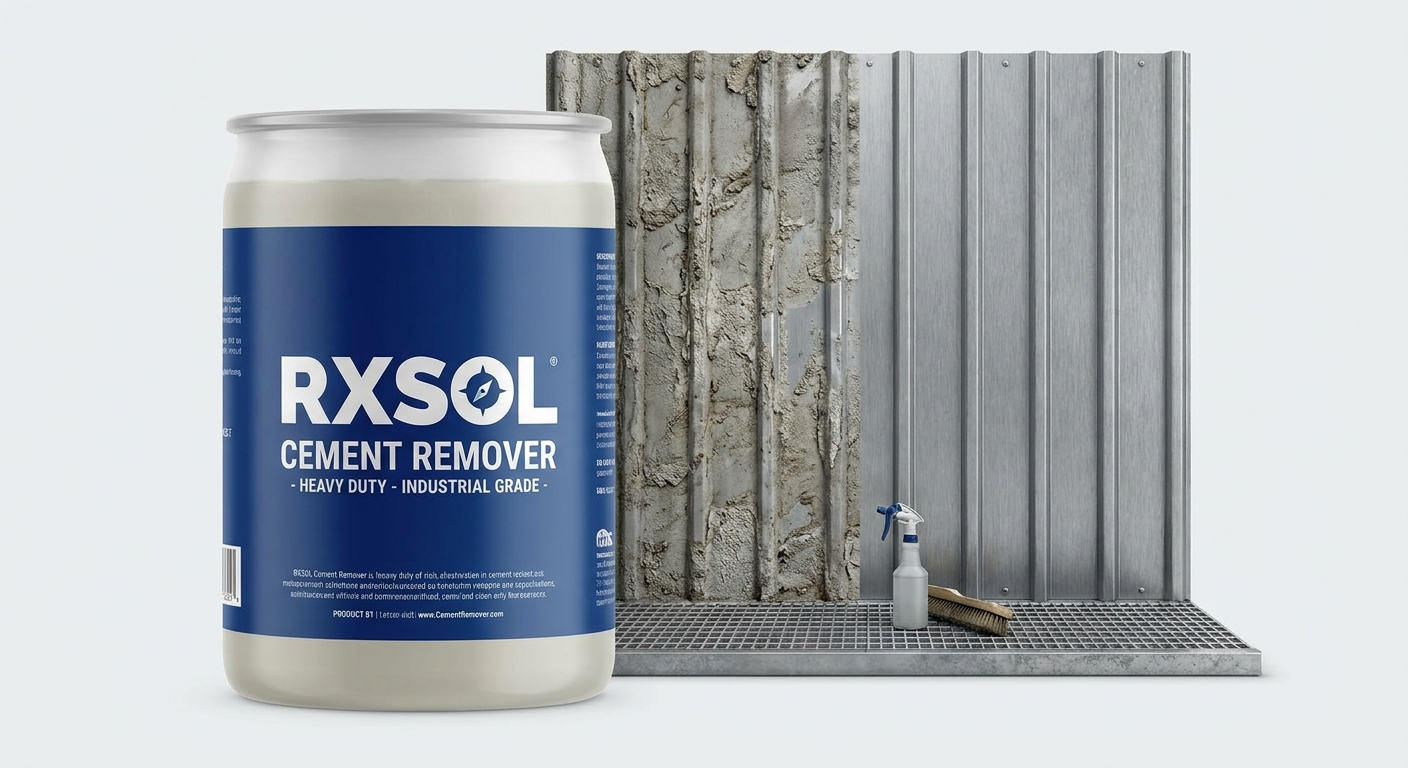
A cement remover is formulated to break down or loosen cementitious deposits so they can be removed with brushing, rinsing, or pressure-assisted cleaning. In many sectors, it works as a specialist solution where ordinary cleaners fail.
This makes it useful for several industrial cement remover uses, especially where cement has cured onto metal, coated structures, tools, or hard industrial surfaces.
Cement remover cargo hold cleaning applications
One of the strongest use cases is cargo hold cleaning for bulk carriers handling cement-related materials. Residue may cling to hold walls, frames, ladders, corners, hatch coamings, and discharge zones.
In these environments, cargo hold cement cleaning is often time-sensitive. Delays affect vessel scheduling, berth planning, and downstream operations. A suitable cleaner can support faster removal of bonded residue and help crews reduce manual scraping effort.
Sohar Chemicals recognizes that Sohar Port operations often require cleaning solutions that balance speed, practicality, and surface care in marine environments.
Marine cement residue removal scenarios
Bulk carrier turnaround
A vessel completes discharge of cement cargo and must be prepared for inspection or the next load. Residual cement remains in corners and along structural members. A cement remover can help soften remaining deposits so cleaning teams can complete the turnaround faster.
Port equipment cleanup
Conveyors, metal tools, loading accessories, and support equipment exposed to cement may develop hard deposits over time. In these cases, a controlled chemical cleaning process reduces the need for repeated mechanical force.
Maintenance after construction work
Industrial facilities and marine infrastructure often complete repair or construction activities near live operating zones. Residue left on steelwork, platforms, or equipment may require a dedicated cement remover before equipment is returned to standard service condition.
Case-study style examples
Case example 1: Bulk vessel hold residue
A bulk carrier completes a cement-related shipment and a section of the hold shows bonded residue along lower side walls and support members. Instead of relying only on chisels and manual scraping, the crew uses a controlled chemical approach. After pre-cleaning loose material, the cement remover is applied in sections, allowed a monitored dwell period, and then brushed and rinsed. The result is lower physical effort and a cleaner finish in the treated zones.
Case example 2: Fabrication yard steel contamination
In a fabrication or project logistics yard, steel support structures are exposed to cement washout and splashes. Deposits cure on the surface and interfere with handover quality. Using a specialized cleaner helps the team remove residue more consistently than dry scraping alone, especially in irregular joints and corners.
Case example 3: Marine maintenance tool restoration
Tools and removable metal parts contaminated with cement can become difficult to reuse efficiently. A suitable cleaning process can restore those items more quickly and improve maintenance readiness.
Best practices for cement buildup removal
Confirm surface compatibility first
The most important first step is checking whether the cleaner suits the surface. Some acidic formulations are powerful but should not be used blindly across all finishes or coatings.
Start with a test patch
Before full application, test a small area. This helps confirm cleaning speed, dwell time, and any unexpected reaction.
Remove loose material before chemical treatment
Mechanical pre-cleaning improves product contact with bonded residue and reduces chemical waste.
Work in sections
Large cargo hold or industrial jobs should be divided into controlled sections. This helps crews manage dwell time and rinsing properly.
Do not let product dry uncontrolled
A cleaner left too long or allowed to dry may reduce process control and increase surface risk. Best practice is to monitor the job and rinse thoroughly.
Use repeat applications for heavy buildup
For difficult deposits, repeated controlled passes are often better than one aggressive treatment. This is one of the most useful cement buildup removal best practices for marine and industrial surfaces.
Operational advantages in Sohar environments
For businesses operating in and around Sohar, cleaning performance is tied directly to turnaround and maintenance efficiency. Effective bulk carrier hold cleaning chemicals can help teams:
- reduce turnaround pressure
- improve cleaning consistency
- lower manual scraping time
- support better inspection readiness
- maintain metal assets more effectively
Sohar Chemicals works in a market where industrial users value practical performance, not just a product label. That means matching the cleaner to the actual contamination profile and worksite conditions.
Safety and handling considerations
As with most industrial cleaning chemicals, users should apply proper controls.
Recommended precautions include:
- chemical-resistant gloves
- eye and face protection
- site-approved workwear
- adequate ventilation
- careful rinsing and waste handling according to site procedures
Supervisors should also ensure crews do not mix products without technical guidance.
Choosing a product for recurring marine work
If cement contamination happens repeatedly in bulk handling or port-side operations, it helps to standardize the chemical method. Sohar Chemicals recommends reviewing:
- expected residue type and thickness
- surface material and coating condition
- application method
- required cleaning speed
- safety controls and rinse availability
This approach helps turn trial-and-error cleaning into a repeatable maintenance practice.
Why operators work with Sohar Chemicals
Sohar Chemicals supports industrial and marine customers who need practical cleaning solutions for real field conditions. For operators managing cement remover cargo hold cleaning applications, local understanding matters. Crews need the right recommendation, the right product fit, and dependable support for repeat jobs.
That is where Sohar Chemicals adds value, especially for marine maintenance teams, bulk operators, and industrial facilities around Sohar that need efficient residue removal without guesswork.
Conclusion
Cement remover has a clear role in industrial cleaning where hardened residue slows work and adds labor cost. From cargo hold cleaning to metal equipment restoration, the right product and method can improve turnaround, cleaning quality, and maintenance efficiency.
For operators evaluating cement remover cargo hold cleaning applications, Sohar Chemicals can help match the cleaning need to the right approach for marine and industrial environments. For any inquiries, email us at support@omanchem.com or reach out to us on (WhatsApp) +968 77333599.
