Rust Remover in Industry: Applications, Case Studies & Best Practices
April 08, 2026
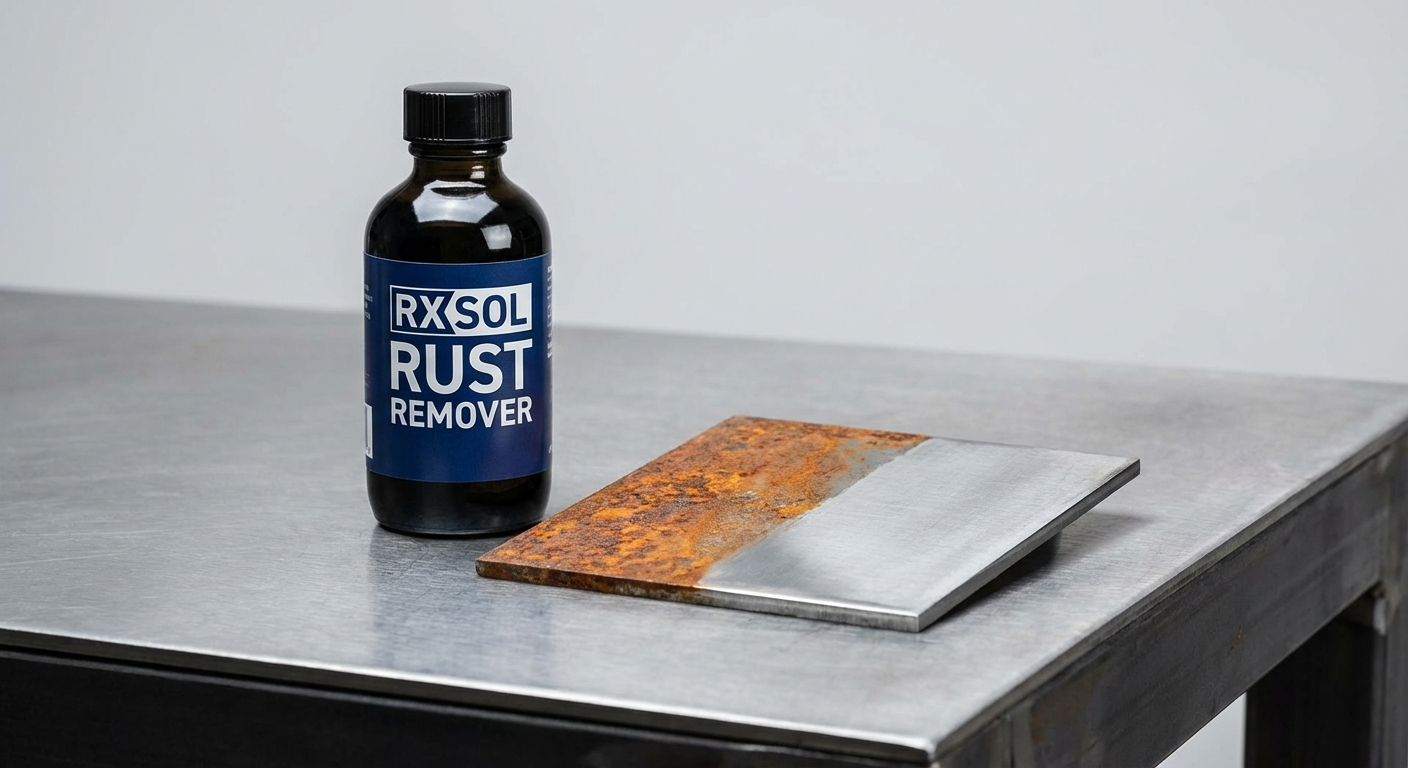
Rust remover is used in industry to dissolve or loosen corrosion on steel components so teams can restore equipment, inspect surfaces, prepare metal for coating, and reduce maintenance delays. In Sohar’s marine, port, fabrication, and plant environments, the right rust remover helps maintenance teams clean metal more efficiently while protecting asset life and supporting safer, more consistent repair work.
For operations around Sohar Port and nearby industrial zones, corrosion is not a cosmetic issue. Salt exposure, humidity, process splash, outdoor storage, and shutdown conditions can quickly turn light oxidation into a larger maintenance problem. That is why many engineers and maintenance planners look for practical guidance on when to use a rust removal chemical, where it fits best, and how to apply it safely.
Sohar Chemicals supports industrial customers that need reliable chemical solutions for real operating conditions. When buyers evaluate rust remover for marine vessel maintenance, workshop restoration, plant turnaround work, or structural steel cleaning, the decision should be based on substrate compatibility, corrosion severity, application method, and downstream work such as inspection, repainting, or reassembly.
What is rust remover and how does it work?
Rust remover is a chemical formulation designed to break down iron oxide deposits on ferrous metals. Depending on the product, it may use acidic chemistry, chelating action, wetting agents, inhibitors, or a blend of these to lift corrosion while limiting attack on the underlying metal.
In simple terms, a rust remover helps industrial teams:
- remove visible rust from steel parts and assemblies
- prepare components for inspection, painting, or coating
- improve fit on rusted bolts, fasteners, and mechanical joints
- reduce manual scraping and abrasive cleaning time
- restore appearance and serviceability on maintenance parts
The best choice is not always the strongest chemistry. In many industrial situations, the right product is the one that provides sufficient cleaning speed without creating unnecessary surface damage, handling complexity, or post-cleaning problems.
Why rust is such a persistent issue in Sohar industrial operations
Corrosion develops when iron or steel reacts with oxygen and moisture. Around Sohar, several operating conditions can accelerate the process.
Marine and coastal exposure
Port and vessel environments are especially aggressive because salt-laden air increases corrosion risk. Deck fittings, fasteners, pipe supports, valves, grating, cargo equipment, and steel structures all face repeated exposure.
Humidity and condensation
Even when equipment is indoors, condensation inside housings, utility areas, and idle systems can create a wet environment that promotes rust formation over time.
Process contamination
Industrial sites may expose metal surfaces to wash water, chemical residues, dirt, sludge, or spilled product. These deposits can trap moisture and create localized corrosion cells.
Outdoor storage and shutdown periods
Spare parts, fabricated items, tools, and steel assemblies stored outdoors or left idle during shutdowns are often vulnerable to corrosion if preservation is inconsistent.
For these reasons, rust remover remains a practical maintenance chemical for plants, workshops, and marine support operations across Sohar. Sohar Chemicals often sees demand where corrosion control must be fast, controlled, and easy to integrate into normal maintenance workflows.
Common industrial applications of rust remover
Rust remover is used across multiple sectors, not just in one maintenance niche.
1. Marine vessel maintenance
Marine teams use rust remover on deck hardware, engine-room parts, ladders, brackets, chains, hand tools, and steel fittings that are repeatedly exposed to moisture and salt.
Common marine uses include:
- restoration of corroded mechanical parts
- cleaning before repainting or protective coating
- maintenance of cargo handling fittings
- workshop cleaning of removable steel items
For ship repair and marine teams around Sohar Port, rust remover can reduce labor time on parts that would otherwise require extensive wire brushing or grinding.
2. Port and cargo operations
Bulk handling equipment, steel access structures, hooks, rollers, support frames, and maintenance tools often see harsh service conditions. Rust remover can help prepare these items for inspection, repair, or return to service.
3. Industrial workshop maintenance
Maintenance shops use rust remover for pumps, fasteners, couplings, fabricated parts, brackets, tools, and repair components. It is especially useful where irregular shapes make mechanical cleaning slower or less consistent.
4. Fabrication and surface preparation
Before painting or coating steel, teams may need to remove corrosion and oxide layers. Rust remover can support more uniform surface preparation when used correctly as part of the pre-treatment process.
5. Utility and plant equipment restoration
Pipe supports, steel housings, structural frames, access platforms, and maintenance spares can all benefit from chemical rust removal when corrosion interferes with inspection, coating adhesion, or component reuse.
Types of rust remover used in industry
Not all formulations work the same way. Buyers should understand the main categories before choosing a product.
Acid-based rust remover
These formulations usually provide fast action on heavy rust and oxide deposits. They are often selected for demanding workshop or restoration jobs where speed matters.
Best for:
- moderate to heavy corrosion
- stubborn oxide layers
- turnaround or repair jobs with limited time
Points to review:
- base metal compatibility
- inhibitor quality
- rinse and neutralization requirements
- HSE controls for handling and storage
Chelation-based rust remover
Chelation-based products are often chosen when a gentler cleaning mechanism is preferred. They may be suitable for lighter corrosion or jobs where surface preservation is important.
Best for:
- lighter rust deposits
- controlled cleaning of smaller parts
- applications where aggressive acid attack is undesirable
Gel or paste formulations
These are designed to cling to vertical or uneven surfaces. They can be useful for localized repair work where immersion is not practical.
Best for:
- structural steel touch-up
- flanges, supports, and brackets
- spot treatment on installed equipment
Blended industrial maintenance products
Some rust removal chemicals combine wetting, cleaning, and corrosion removal into one formulation. These are useful where parts may also carry dirt, oil, or shop contamination.
Sohar Chemicals can help industrial buyers compare these categories based on actual job conditions instead of selecting by price alone.
Best practices for using rust remover in industry
A rust remover works best when it is applied as part of a controlled maintenance process.
Step 1: Inspect the substrate and corrosion level
Identify the base metal, extent of corrosion, nearby coatings, and any adjacent non-ferrous materials. This prevents accidental damage and improves product selection.
Step 2: Pre-clean the surface
Remove loose dirt, oil, grease, salt residue, and debris. Heavy contamination can block the chemistry from contacting the rust effectively.
Step 3: Test on a small area
Always run a small compatibility test before full application. This helps confirm cleaning speed, finish quality, and whether the process needs adjustment.
Step 4: Apply with the correct method
Depending on the product, rust remover may be used by brushing, spraying, wiping, or immersion. Follow the supplier’s instructions rather than increasing concentration by guesswork.
Step 5: Control dwell time carefully
Leaving the product on too briefly may reduce cleaning effectiveness. Leaving it on too long may affect the base surface or create extra rinsing work.
Step 6: Rinse or neutralize as required
Some formulations require thorough rinsing and, in some cases, neutralization. This is especially important before coating, painting, or putting the item back into service.
Step 7: Dry and protect the cleaned surface
Freshly cleaned steel can flash-rust quickly in humid or marine environments. Apply a suitable primer, preservative, lubricant, or protective finish as soon as practical.
Safety considerations for rust remover use
Rust remover safety should be reviewed before procurement, not after delivery. The SDS and technical data sheet should always be checked for the exact product under consideration.
Key safety points include:
- use chemical-resistant gloves, eye protection, and suitable workwear
- ensure ventilation in enclosed maintenance areas
- avoid mixing with unrelated chemicals unless explicitly approved
- use compatible containers, pumps, and transfer tools
- follow spill response and first-aid guidance from the SDS
- manage rinse water and waste in line with site procedures and local requirements
Where stronger formulations are used, teams may also need eyewash facilities, corrosion-resistant handling equipment, and tighter supervision during application. For marine vessel maintenance and port-related work, it is especially important to prevent uncontrolled runoff into surrounding areas. Relevant site procedures and environmental obligations should always be followed [Source].
How to choose the right rust remover for Sohar operations
Industrial buyers usually get better results when they evaluate rust remover against the job itself.
Consider the metal and surrounding materials
Ask whether the product is intended only for carbon steel or whether nearby stainless steel, galvanized parts, seals, paint, or non-ferrous metals may be affected.
Match the chemistry to corrosion severity
Light flash rust, embedded corrosion, and heavy scale are very different conditions. The right product should be selected for the actual severity, not assumed from appearance alone.
Think about the application environment
Workshop immersion cleaning, on-board marine maintenance, and field structural treatment all have different practical constraints. Access, ventilation, rinse water, and waste handling matter.
Review the next maintenance step
If the part will be coated, painted, lubricated, inspected, or reassembled immediately, confirm that the product leaves a suitable surface for that next step.
Ask for supplier guidance
A knowledgeable supplier can help reduce trial and error, especially for recurring maintenance programs or larger shutdown work scopes. Sohar Chemicals supports customers that need practical product guidance for real industrial use cases.
Example use cases where rust remover adds value
Below are typical scenarios where rust remover can improve maintenance efficiency.
Marine workshop refurbishment
A vessel maintenance team removes corroded brackets, chain fittings, and hardware during a scheduled stop. Instead of relying only on manual grinding, the team uses rust remover on selected components to reduce labor, improve surface preparation, and accelerate repainting.
Port equipment maintenance
A cargo-handling support team cleans rusted steel accessories and service parts before inspection and reuse. Chemical rust removal helps expose the true surface condition and reduces the risk of missing pitting or damage.
Fabrication yard touch-up
A fabrication shop needs to prepare localized rusted areas before coating. A gel-form rust remover is used on vertical sections where immersion is impossible, improving control and reducing waste.
Plant shutdown preparation
During shutdown work, maintenance teams treat corroded supports, removable steel parts, and auxiliary components before reinstalling or coating them. The right rust remover reduces delays caused by inconsistent manual cleaning.
Questions buyers should ask before purchase
Before choosing a rust remover supplier in Sohar or elsewhere in Oman, it helps to ask:
- 1. What type of corrosion is this product designed to remove?
- 2. Which metals and adjacent materials is it compatible with?
- 3. Can it be used by brush, spray, or immersion?
- 4. Does it require dilution, rinsing, or neutralization?
- 5. What PPE and ventilation are required?
- 6. Is it better suited for workshop use, field use, or marine maintenance?
- 7. Will it support painting or coating after cleaning?
- 8. Can the supplier provide technical guidance for repeated industrial use?
These questions lead to better selection decisions and fewer issues during implementation.
Why supplier support matters
Rust removal is not only about chemistry. It is also about process control, substrate knowledge, and maintenance practicality. Working with an experienced supplier helps maintenance teams choose products that align with operational needs.
Sohar Chemicals supports industrial users that need dependable chemical solutions for marine vessel maintenance, workshop restoration, plant maintenance, and surface preparation work. With the right technical guidance, buyers can reduce avoidable rework, improve cleaning consistency, and select a product that fits both performance and safety requirements.
Conclusion
Rust remover remains an important maintenance chemical for industrial operations in Sohar because corrosion directly affects asset life, inspection quality, coating performance, and labor efficiency. In marine and port environments especially, the wrong cleaning approach can waste time, increase rework, or create unnecessary risk.
The best results come from selecting a rust removal chemical based on corrosion severity, substrate compatibility, application method, and the next maintenance step. Whether the job involves marine vessel maintenance, port equipment care, workshop refurbishment, or plant shutdown support, a well-matched rust remover can improve outcomes significantly.
If your team is evaluating rust remover for industrial use, Sohar Chemicals can help you choose a practical solution suited to demanding operating conditions in Sohar and across Oman. For any inquiries, email us at support@omanchem.com or reach out to us on (WhatsApp) +968 77333599.
