Rig Wash in Industry: Applications, Case Studies & Best Practices
April 10, 2026
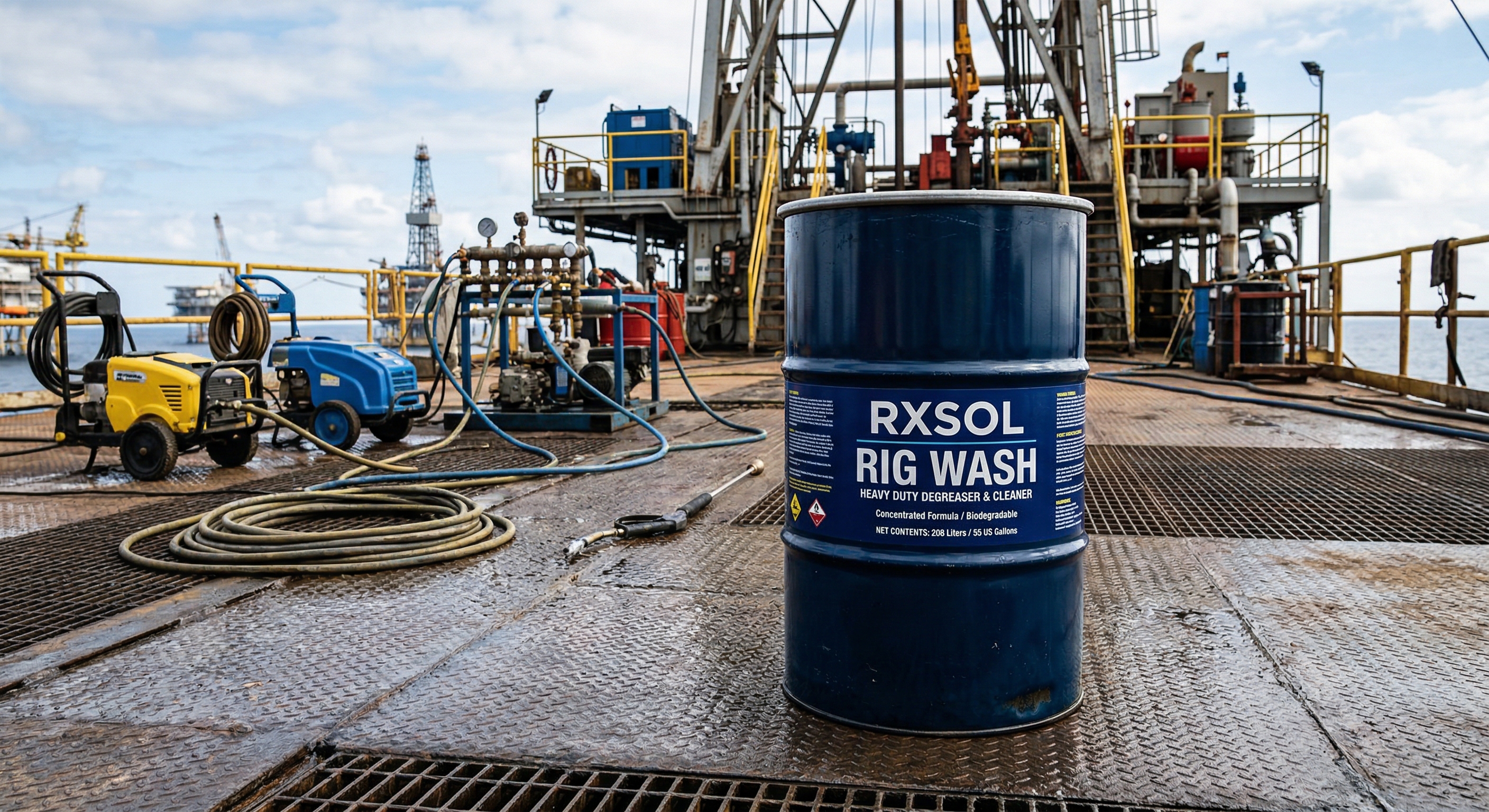
Rig cleanliness is not just a housekeeping issue. In drilling and production environments, residues such as oil, grease, drilling mud, salt deposits, and carbonized soils can reduce equipment efficiency, increase maintenance time, and create avoidable safety risks. That is why rig wash oilfield cleaning applications remain an important part of routine field operations across onshore and offshore sites.
For operators, contractors, and service teams in the Sohar region, choosing the right cleaning approach matters. A practical rig wash program helps maintain equipment condition, supports faster inspection and repair work, and improves overall site cleanliness. In this guide, Sohar Chemicals explains where rig wash is used, how it supports drilling activities, and what best practices teams should follow for reliable results.
What Is Rig Wash and Where Is It Used?
Rig wash is a cleaning chemical or formulated detergent system designed to remove hydrocarbon residues, mud, grime, and other industrial contaminants from oilfield surfaces and equipment. In many settings, it is applied through pressure washing, spray systems, soak tanks, or manual cleaning methods.
In simple terms, rig wash helps break down stubborn soils so crews can wash equipment more effectively.
Common rig wash oilfield cleaning applications include:
- Rig floors and walkways
- Mud tanks and mud handling areas
- Drill pipes and tubular handling zones
- Engines, generators, and power units
- Cranes, winches, and hoisting equipment
- Offshore decks exposed to salt and hydrocarbon deposits
- Workshop tools and maintenance bays
The right cleaning formulation depends on the contamination profile, the material being cleaned, and the operating environment. Sohar Chemicals works with industrial users who need practical cleaning support for demanding field conditions without relying on exaggerated product claims.
Why Rig Wash Matters in Drilling and Field Operations
Rig wash in drilling operations improves maintenance efficiency
During drilling, equipment comes into contact with drilling fluids, formation solids, lubricants, and spilled hydrocarbons. Over time, these deposits can accumulate on machinery, structural surfaces, and work areas.
Effective rig wash in drilling operations can support teams by:
- Reducing heavy buildup before maintenance
- Making visual inspection easier
- Helping crews access bolts, joints, and mechanical parts
- Improving general housekeeping in active work zones
- Supporting faster turnaround during scheduled cleaning tasks
When contamination is left untreated, even simple maintenance can take longer. Dirt and residue may hide leaks, cracks, or wear points that technicians need to identify early.
Cleaner equipment can support safer working conditions
Oilfield sites already involve complex operational risks. Slippery surfaces, dirty ladders, greasy tools, and blocked visibility around equipment can add unnecessary hazards. While rig wash is not a substitute for safety systems, it does help keep operational areas cleaner and more manageable.
This is especially relevant for field service teams that need dependable oilfield equipment cleaning routines as part of preventive maintenance.
Key Rig Wash Oilfield Cleaning Applications
Rig Wash Oilfield Cleaning Applications Across the Site
The phrase rig wash oilfield cleaning applications covers a wide range of tasks. Below are some of the most common industrial use cases.
1. Rig floor and deck cleaning
Rig floors are exposed to drilling mud, lubricants, fuel traces, and heavy foot traffic. These surfaces need regular cleaning to control buildup and maintain workable conditions.
Typical cleaning goals include:
- Removing slippery residues
- Breaking down mud and grease films
- Cleaning around pumps, hoses, and fittings
- Supporting day-to-day housekeeping
On offshore installations, deck cleaning may also involve salt contamination and weathered hydrocarbon deposits. In those cases, selecting an appropriate offshore rig cleaning chemical becomes even more important.
2. Rig wash for mud removal
Drilling mud is one of the most persistent contaminants in field operations. It can dry onto steel surfaces, collect around equipment supports, and harden in difficult-to-reach areas.
Using rig wash for mud removal is common in:
- Mud pits and mud tank exteriors
- Shale shaker zones
- Pipe racks
- Pump skids
- Transfer lines and support frames
The cleaning challenge depends on whether the mud is fresh, aged, oil-based, or mixed with other contaminants. In many cases, crews get better results when they apply the cleaner, allow proper contact time, and then use mechanical agitation or pressure washing.
3. Equipment and machinery cleaning
Heavy equipment often carries a mix of grease, oil, dust, and process residues. Routine oilfield equipment cleaning helps service teams inspect and maintain mechanical systems more efficiently.
Common targets include:
- Diesel engines
- Hydraulic units
- Compressors
- Winches
- Gear housings
- Forklifts and field vehicles
- Portable pumping systems
For these applications, compatibility with painted surfaces, seals, and exposed metals should always be evaluated before large-scale use.
4. Offshore and marine-adjacent cleaning
Offshore and coastal installations present additional cleaning challenges. Salt spray, marine exposure, fuel residues, and confined maintenance windows can all affect cleaning plans.
An offshore rig cleaning chemical may be used on:
- Helideck support areas
- Deck machinery
- Handrails and structural steel
- Containerized equipment
- External process skids
In marine-adjacent regions such as Sohar, cleaning programs should also account for disposal practices, wastewater handling, and local operating requirements.
Case-Based Examples of Rig Wash Use
Case example 1: Mud-contaminated drilling support equipment
A field support contractor receives tools and support frames coated with dried mud after a drilling campaign. Manual scraping alone is slow and inconsistent.
A practical rig wash process may include:
- 1. Pre-rinsing to remove loose solids
- 2. Applying rig wash solution to affected areas
- 3. Allowing contact time so deposits soften
- 4. Brushing heavy buildup zones
- 5. Pressure rinsing thoroughly
- 6. Inspecting and repeating where needed
This approach helps reduce cleaning time compared with dry manual removal only.
Case example 2: Offshore deck cleaning during maintenance shutdown
An offshore crew needs to clean deck surfaces and exposed equipment before scheduled inspection. The contamination includes grease, dirt, and salt-laden residues.
A suitable cleaning plan may focus on:
- Segmenting the work area
- Using controlled dilution ratios
- Avoiding runoff toward sensitive zones
- Applying the product in manageable sections
- Rinsing before residues dry again
In this scenario, choosing the right offshore rig cleaning chemical and work sequence is often just as important as the product itself.
Case example 3: Workshop cleaning for reusable oilfield parts
A maintenance workshop handles used components returned from site. These parts arrive coated with oil, mud solids, and general field dirt.
Here, oilfield equipment cleaning supports:
- Better inspection visibility
- Cleaner work benches
- More efficient handling before repair
- Reduced transfer of dirt across the workshop
Sohar Chemicals often sees value in matching the cleaning method to the task, rather than using one generic product for every contamination type.
Best Rig Wash Practices for Reliable Results
Following best rig wash practices improves consistency and helps teams avoid wasted product, incomplete cleaning, or material compatibility issues.
Match the cleaner to the contamination
Not all field soils behave the same way. Oil, grease, paraffin-like residues, drilling mud, and salt contamination each respond differently to cleaning chemistry.
Before full use, confirm:
- The type of contamination
- Surface material compatibility
- Required dilution ratio
- Suitable application method
- Required contact time
Do not skip surface preparation
Heavy solids should be removed first where possible. If thick mud or debris is left in place, the cleaner may be consumed by the top layer and fail to penetrate deeper contamination.
Simple preparation steps include:
- Scraping thick deposits
- Sweeping loose solids
- Pre-rinsing with water when appropriate
- Isolating sensitive components
Control dwell time and rinsing
A common mistake is rinsing too quickly or letting the product dry completely on the surface. In most rig wash in drilling operations, the cleaner needs enough time to loosen soils, followed by proper rinsing.
Teams should monitor:
- Ambient temperature
- Surface temperature
- Wind exposure
- Drying speed
- Water pressure availability
Use the right cleaning equipment
Chemical selection and application equipment should work together. Depending on the task, crews may use:
- Trigger sprayers for small areas
- Foam systems for cling and visibility
- Pressure washers for large surfaces
- Brushes for stubborn deposits
- Soak tanks for removable parts
Train crews on safe handling
Even routine cleaning chemicals require proper handling. Site teams should follow the product SDS, PPE requirements, dilution guidance, and disposal procedures. This is especially important when cleaning enclosed areas, energized equipment surroundings, or environmentally sensitive zones.
How to Evaluate a Rig Wash Supplier
When sourcing cleaning support, buyers should look beyond marketing language. A practical supplier should be able to discuss use cases, contamination types, and handling requirements clearly.
Questions worth asking include:
- What types of oilfield soils is the product intended for?
- Is it suitable for onshore, offshore, or both?
- What dilution range is recommended?
- How should it be applied for mud removal versus grease cleaning?
- Are there any material compatibility limitations?
- What handling and storage guidance should crews follow?
For industrial buyers in Oman, Sohar Chemicals can be part of that conversation by helping teams choose solutions aligned with real operating needs and realistic cleaning objectives.
Practical Considerations for Sohar Region Operations
Operators and contractors around Sohar often work in hot conditions, dusty environments, and coastal industrial settings. These conditions influence how cleaning programs should be designed.
Important local factors include:
- Fast evaporation in high temperatures
- Mixed contamination from mud, dust, and hydrocarbons
- Coastal salt exposure on some assets
- Maintenance scheduling around active operations
- Wastewater and runoff management requirements
Because of these variables, best rig wash practices should always include field trials, controlled application procedures, and operator feedback. Sohar Chemicals recommends treating rig wash as part of a broader maintenance program, not as a one-step fix for every cleaning problem.
Conclusion
Rig wash plays a practical role in maintaining oilfield assets, supporting maintenance work, and improving general housekeeping across drilling and service environments. From rig wash for mud removal to broader oilfield equipment cleaning and offshore deck maintenance, the best results come from matching the cleaning method to the contamination and operating conditions.
For companies evaluating rig wash oilfield cleaning applications, the focus should stay on effectiveness, safe handling, compatibility, and process discipline. With the right approach, field teams can improve cleaning consistency and support more efficient operations. Sohar Chemicals is well positioned to support industrial users looking for practical guidance on rig wash selection and use in the Sohar market. For any inquiries, email us at support@omanchem.com or reach out to us on (WhatsApp) +968 77333599.
