Methanol in Industry: Applications, Case Studies & Best Practices
April 18, 2026
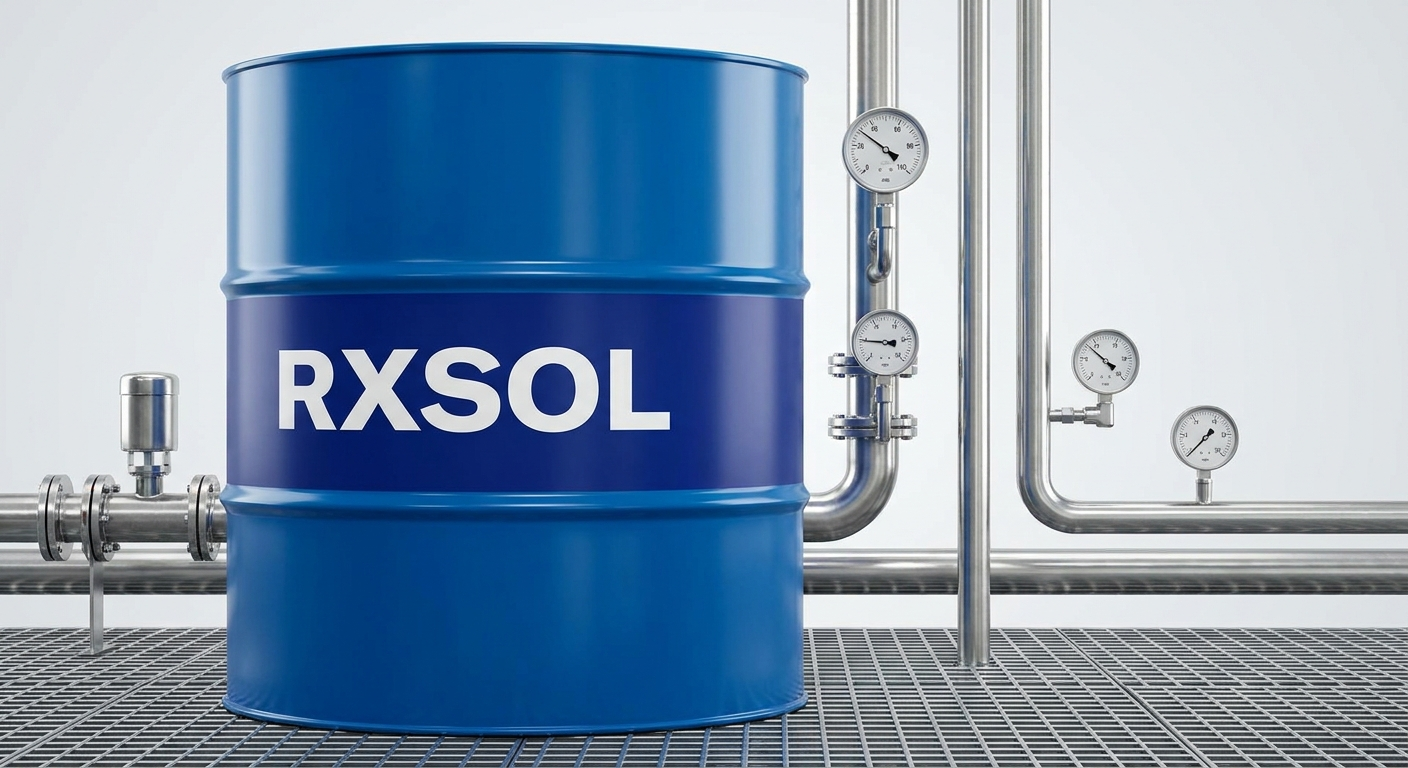
Methanol is one of the most widely used industrial chemicals in the world, valued for its role in gas processing, chemical manufacturing, fuel systems, solvents, and process support applications. For engineers exploring methanol gas processing applications, the key question is not whether methanol is useful, but how it can be applied safely and efficiently in real plant conditions.
Sohar Chemicals supports industrial customers that need practical guidance, dependable chemical supply, and application-aware support. In Sohar’s industrial environment, methanol remains relevant because it fits multiple operating contexts, especially in gas processing and process industries where reliability and compatibility matter.
Why Methanol Matters in Industry
Methanol is a simple alcohol with high industrial value. It is easy to transport, flexible in use, and commercially important across many sectors. Its role in industry includes acting as a process chemical, a feedstock, a solvent, and in some cases a support chemical for gas and energy operations.
For operations studying methanol gas processing applications, methanol is often considered because it performs reliably under demanding industrial conditions when the system is designed for it.
Major Industrial Applications of Methanol
1. Gas processing and hydrate control
One of the best-known methanol gas processing applications is hydrate prevention in gas systems. Under certain operating conditions, hydrates can form and interfere with flow, pressure stability, and production continuity. Methanol may be injected in controlled ways to support smoother operation and reduce hydrate-related risk where the process design calls for it.
For gas processing engineers at Sohar, this application is especially relevant because uninterrupted flow and controlled operating conditions are central to plant performance.
2. Chemical manufacturing feedstock
Methanol is a major raw material in the manufacture of formaldehyde, acetic acid, resins, plastics, adhesives, and many downstream chemicals. Plants that rely on consistent chemical conversion value methanol because it is widely understood and easy to integrate into established production chains.
3. Industrial solvent systems
Methanol is used as a solvent in coatings, inks, cleaning formulations, and process chemistry. Its fast evaporation and solvency profile make it useful where the process and safety controls are aligned.
4. Energy and fuel-related systems
In some industrial settings, methanol appears in fuel blending, combustion support, and alternative fuel discussions. These applications vary by design and regulatory environment, but they show methanol’s versatility in the industrial market.
5. Laboratory and maintenance support
Certain operations use methanol in testing, cleaning, or preparation workflows where purity and rapid drying characteristics are important.
Case Pattern 1: Methanol in Gas Processing Operations
A common industrial case involves gas handling systems exposed to low-temperature or pressure-sensitive operating conditions. In these cases, plant teams may adopt methanol injection or related controlled use as part of a wider flow assurance strategy.
Typical operational goals
- reduce hydrate formation risk
- support line operability
- maintain production continuity
- reduce unplanned intervention frequency
Best-practice takeaways
- dosage should be process-engineered, not guessed
- storage and transfer controls must be robust
- operators need clear procedures for handling flammable liquid systems
- injection systems should be monitored and documented
This type of case shows why methanol gas processing applications are technical decisions, not routine purchasing decisions.
Case Pattern 2: Methanol as a Manufacturing Feedstock
In a manufacturing environment, methanol may be purchased because it is a dependable chemical building block. Here the main concern is usually not field injection, but product specification, supply consistency, and compatibility with downstream chemistry.
Operational priorities in this case
- stable product quality
- reliable repeat supply
- packaging and bulk logistics aligned to plant demand
- clear hazard communication and storage controls
For plants around Sohar, supplier consistency can be as important as chemical price, especially where methanol feeds continuous production.
Case Pattern 3: Methanol in Solvent and Formulation Work
Another common pattern is methanol use in solvent-based formulations or controlled cleaning processes. In these environments, the benefits often include strong solvency and fast evaporation, but the tradeoff is higher emphasis on ventilation, exposure control, and ignition prevention.
Best practices here include:
- validate compatibility with formulation components
- avoid over-reliance on open handling
- use approved transfer and mixing methods
- control vapor accumulation in enclosed areas
Best Practices for Industrial Methanol Use
Regardless of the sector, some best practices apply broadly.
Confirm application fit first
Do not purchase methanol as a generic substitute without checking the technical requirement. Process conditions, purity needs, and safety expectations must be reviewed first.
Use correct storage systems
Methanol should be stored in approved, tightly closed containers in ventilated areas away from ignition sources.
Treat transfer as a controlled task
Drums, bulk containers, hoses, and pumps should be inspected before use. Transfer methods should minimize splashing, vapor release, and contamination.
Train personnel properly
Operators should understand flammability, toxicity, PPE needs, emergency response, and site SOPs.
Integrate procurement with operations
The buying team, engineering team, and HSE team should work from the same understanding of how methanol will be used.
Sohar Chemicals encourages this integrated approach because it reduces mismatch between purchase decisions and plant reality.
Common Risks If Methanol Is Used Poorly
When industrial methanol use is poorly planned, the risks can escalate quickly.
Common failures include:
- buying the wrong specification for the application
- storing methanol without adequate ventilation or segregation
- underestimating ignition risk
- using unsuitable transfer equipment
- failing to define the dosage or injection logic clearly
- relying on informal rather than documented handling practices
These issues can affect safety, uptime, and total operating cost.
Why Supplier Support Matters in Sohar
For engineers and industrial buyers in Sohar, a good methanol supplier should provide more than availability. Useful support includes:
- dependable product supply
- clear technical and handling information
- packaging options matched to plant need
- responsive communication for repeat procurement
- understanding of industrial use cases in the Sohar region
Sohar Chemicals works with industrial customers that need this practical support model, especially where methanol gas processing applications and other demanding uses require dependable alignment between supply and operations.
Conclusion
Methanol remains a highly important industrial chemical because it supports gas processing, chemical manufacturing, solvent use, and a range of process applications. For teams evaluating methanol gas processing applications, the biggest gains come from matching the product to the process, defining the handling method clearly, and maintaining strong storage and safety controls.
Sohar Chemicals helps industrial users approach methanol as a technical operating decision rather than a simple commodity purchase. That approach leads to better reliability, safer handling, and stronger long-term value in demanding industrial environments.
For any inquiries, email us at support@omanchem.com or reach out to us on (WhatsApp) +968 77333599.
