Carbon Remover in Industry: Applications, Case Studies & Best Practices
April 23, 2026
Industrial maintenance teams deal with deposits that are far more stubborn than ordinary dirt or grease. Carbon buildup, burnt oil residue, varnish, and soot can collect on critical parts over time, especially in systems exposed to heat, combustion, and repeated operating cycles. That is why carbon remover has become an important maintenance chemical for workshops, marine service teams, heavy equipment operations, and industrial plants. For teams searching for carbon remover marine engine applications and broader industrial use cases, the value lies in faster cleaning, better inspection, and reduced maintenance delays.
Sohar Chemicals supports industrial customers who need dependable cleaning products for demanding maintenance environments. In this article, we look at where carbon remover is used in industry, what results it can support, and which best practices help teams get the most from the product.
Why carbon deposits are a serious industrial maintenance issue
Carbon deposits do more than make parts look dirty. In industrial settings, they can interfere with heat transfer, restrict movement, reduce inspection clarity, and increase labor during shutdown servicing. On engine components, heavy deposits may hide damage or contribute to poor reconditioning quality. On high-temperature equipment, residue buildup can make cleaning slower and less predictable.
This is where carbon remover adds value. Instead of relying only on scraping or abrasive force, maintenance teams can use chemistry to soften and loosen the deposit layer first.
Main industrial applications of carbon remover
Carbon remover is used in several sectors where combustion residue and hard deposits are common.
1. Marine engine maintenance
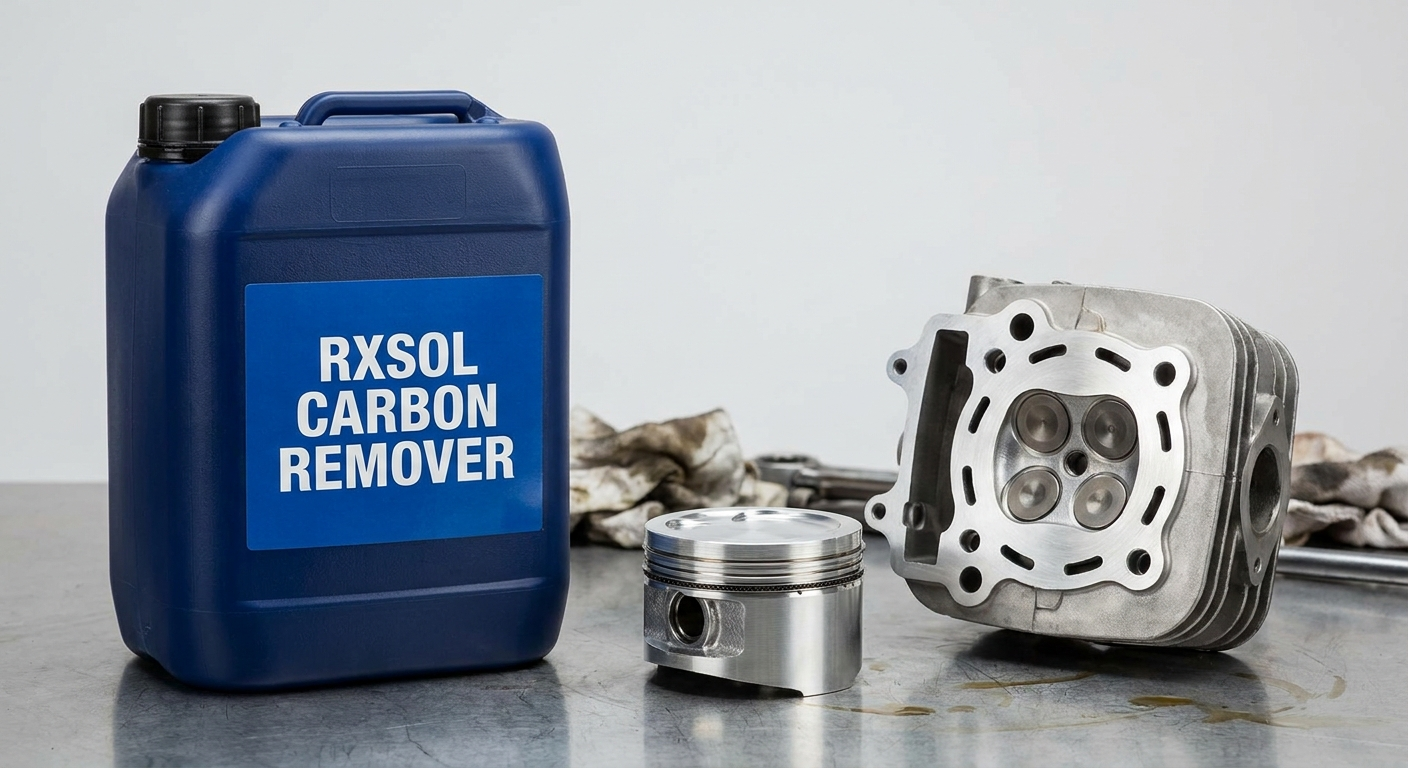
Marine service teams frequently encounter carbonized residue on dismantled engine parts, especially after long-duty cycles. Carbon remover helps clean pistons, cylinder heads, valve assemblies, and associated metal components before inspection and repair.
2. Diesel and heavy equipment workshops
Heavy vehicles and industrial engines often produce persistent carbon and burnt oil deposits over time. Carbon remover supports overhaul work by reducing manual cleaning effort and helping technicians expose the true metal condition underneath the deposits.
3. Industrial repair and shutdown servicing
During planned maintenance, equipment parts may need deep cleaning before reconditioning or replacement decisions are made. Carbon remover is useful where residue is hard, bonded, and resistant to ordinary degreasers.
4. Heat-exposed mechanical components
Any component operating in high-temperature conditions may develop varnish-like or carbonized contamination. Industrial teams use carbon remover where a stronger deposit-removal chemistry is required.
Case study examples from real maintenance situations
The following examples reflect common industry situations where carbon remover can improve workflow.
Case study 1: Marine engine overhaul yard
A service team dismantles engine pistons and cylinder-head components during routine overhaul. Standard degreasers remove loose oil, but hardened combustion deposits remain attached to the metal. By introducing carbon remover into the cleaning workflow, the team softens the deposits before brushing and rinsing. The result is less scraping, faster turnaround, and clearer inspection surfaces.
Case study 2: Fleet maintenance workshop
A workshop handling repeated diesel-engine repairs faces inconsistent cleaning times because some components arrive with severe carbon buildup. After standardizing on carbon remover for heavy deposit jobs, technicians can follow a repeatable process: pre-clean, apply, dwell, agitate, rinse, inspect. This improves labor planning and reduces variation between jobs.
Case study 3: Industrial maintenance shutdown
During a maintenance shutdown, heavily fouled metal parts need cleaning before the team can assess wear and serviceability. Carbon remover helps loosen deposits that would otherwise slow the inspection stage. This supports faster decision-making during time-sensitive maintenance windows.
Best practices for industrial carbon remover use
To get reliable results, industrial teams should treat carbon remover as part of a controlled maintenance procedure.
Match the product to the application
Before purchase, evaluate:
- Severity of deposit buildup
- Material compatibility
- Cleaning method, such as soak or direct application
- Required turnaround time
- Workshop or plant safety requirements
Sohar Chemicals recommends selecting a carbon remover based on both chemistry strength and process fit, not price alone.
Prepare parts before application
Remove loose dirt, oil, and surface contamination first. This allows the carbon remover to act directly on the hard deposit layer rather than being diluted by removable grime.
Allow proper dwell time
One of the biggest mistakes in industrial cleaning is rushing the process. Carbon remover needs contact time to penetrate the buildup. Teams should monitor the part, inspect progress, and repeat application when needed rather than forcing removal too early.
Use controlled agitation
After dwell time, use brushes or appropriate tools to lift softened residue. Mechanical force should support the chemistry, not replace it.
Follow site safety rules
Industrial cleaning products should always be handled with suitable PPE, ventilation, and SDS review. This is especially important during shutdown work or in enclosed workshop areas.
Benefits for industrial teams
When used correctly, carbon remover can improve several maintenance outcomes.
Reduced manual cleaning effort
Technicians spend less time scraping hardened residue by hand.
Better part inspection quality
Removing heavy deposits exposes cracks, wear, pitting, and other service indicators more clearly.
More predictable maintenance cycles
A consistent deposit-removal process helps workshops and industrial service teams plan labor more accurately.
Lower risk of unnecessary surface damage
Using carbon remover before aggressive mechanical cleaning can help protect the underlying component.
Why industrial buyers work with Sohar Chemicals
Sohar Chemicals serves industrial and maintenance-focused customers who need practical cleaning solutions backed by real application understanding. When industrial buyers source carbon remover through Sohar Chemicals, they are looking for a supplier that can support workshop cleaning, marine engine maintenance, and heavy deposit removal with dependable product availability and useful guidance.
For teams in Sohar and across Oman, choosing the right carbon remover can streamline maintenance work and improve repair quality, especially where carbon buildup is recurring and severe.
Conclusion
Carbon remover plays an important role in industrial maintenance where combustion residue, baked-on carbon, and burnt oil deposits create cleaning bottlenecks. From marine engine overhaul to workshop servicing and shutdown inspection preparation, the product helps teams clean faster, inspect better, and work more consistently.
If your team is reviewing carbon remover marine engine applications or broader industrial cleaning needs, Sohar Chemicals can help you identify a suitable solution for the job. For any inquiries, email us at support@omanchem.com or reach out to us on (WhatsApp) +968 77333599.
