Bilge Cleaner in Industry: Applications, Case Studies & Best Practices
April 11, 2026
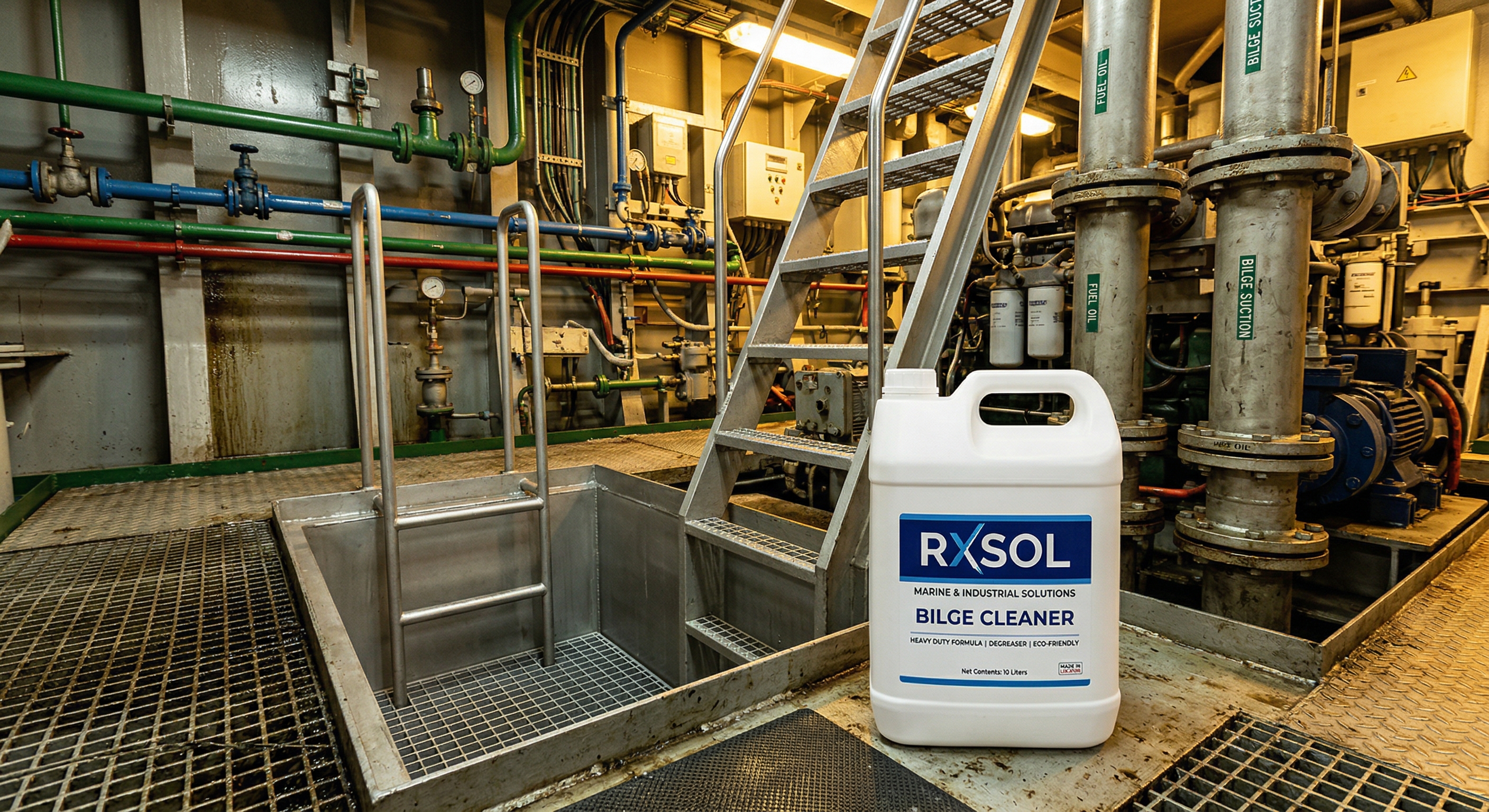
For vessel operators, port-service fleets, and maintenance contractors, bilge cleaning is not a cosmetic task. It is part of daily operating discipline. When oily residues, grease, sludge, and dirty runoff remain unmanaged in bilge wells, they create extra labor, hinder inspection, and add pressure to bilge water handling systems. That is why interest in bilge cleaner IMO compliant marine use continues to grow, especially among industrial marine operators around Sohar Port.
This article looks at industrial bilge cleaner applications, typical use cases, practical case-study patterns, and the best practices that help crews maintain cleaner machinery spaces. For buyers evaluating marine chemical supply in the region, Sohar Chemicals is often considered where consistency, product suitability, and support for marine operations matter.
Why Bilge Cleaner Matters in Industry
Industrial marine operations work under real constraints: tight turnaround windows, strict housekeeping expectations, and environmental handling requirements. Bilge spaces are constantly exposed to oil leaks, grease, hydraulic residue, soot, wash water, and solid debris. Without a proper cleaning program, these contaminants can build into stubborn sludge.
An effective bilge cleaner helps maintenance teams break down those residues so areas can be cleaned more efficiently and managed more consistently.
What IMO Compliant Marine Use Means in Practice
The phrase IMO compliant bilge cleaner is often used by buyers looking for products suitable for disciplined marine operations. In practice, compliance is not about one chemical alone. It is about using products as part of a controlled onboard process that supports cleaner bilges, proper residue handling, and environmentally responsible discharge management in line with vessel procedures and applicable marine rules.
In under 50 words: bilge cleaner supports compliance-oriented housekeeping by helping crews control oily contamination before it becomes a larger operational or environmental problem.
Industrial Bilge Cleaner Applications
Cargo and commercial vessels
Cargo ships regularly accumulate residues from engines, pumps, and auxiliary equipment. A dependable port vessel maintenance cleaner helps crews manage contamination before it hardens into thick sludge.
Tugs and harbor craft
High-duty-cycle service vessels often see repeated oil and grease buildup in compact engine spaces. Bilge cleaner is valuable here because frequent maintenance windows are short and labor efficiency matters.
Offshore and utility vessels
Support vessels may face mixed contamination from machinery operation, deck runoff, and heavy service work. Bilge cleaner helps maintenance teams keep housekeeping under control between more intensive service intervals.
Shipyards and repair facilities
During maintenance or pre-handover cleaning, bilge cleaner may be used to restore heavily contaminated spaces to a more manageable condition before inspection or repair work.
Case Study Pattern 1: Routine Preventive Cleaning
A service vessel operating frequent port rotations notices gradual oily film buildup in the bilge despite regular housekeeping. The crew introduces a scheduled bilge cleaning cycle using a suitable marine cleaner, combined with leak checks and residue removal. Over time, sludge accumulation is reduced, visual inspection becomes easier, and emergency cleanup effort drops.
This is one of the most common marine degreaser case studies in practice. The value comes from consistency rather than a single heavy clean.
Case Study Pattern 2: Heavy Bilge Recovery After Deferred Maintenance
A workboat arrives for maintenance with thick sludge, strong odor, and blocked low-point drainage. In this situation, cleaning takes multiple stages: free oil removal, bilge cleaner application, manual agitation, residue collection, and follow-up inspection. The lesson is clear. Bilge cleaner works best when used early and regularly, not only after conditions become severe.
Case Study Pattern 3: Port Fleet Standardization
An operator managing several vessels wants to simplify product purchasing and onboard procedure. By standardizing a suitable bilge cleaning chemical across the fleet, the operator improves reorder planning, crew familiarity, and routine maintenance consistency. This is where a regional supplier such as Sohar Chemicals can add value through dependable availability and product continuity.
Best Practices for Bilge Treatment
Teams looking for strong bilge treatment best practices should focus on process discipline:
- 1. identify and fix active leaks before chemical cleaning
- 2. remove excess free oil and debris first
- 3. apply the cleaner according to product guidance
- 4. allow sufficient contact time
- 5. agitate stubborn deposits where needed
- 6. collect and handle residues properly
- 7. inspect the area after cleaning and document repeat problem spots
These steps improve performance and help avoid wasted product.
Common Procurement Considerations
When evaluating a bilge cleaner for industrial marine use, maintenance teams should look at:
- suitability for marine oily residues
- consistency of supply
- support for fleet or repeat orders
- practical handling guidance
- compatibility with standard vessel cleaning routines
For port-linked operations, lead time matters. A product that cannot be delivered reliably creates maintenance risk. That is one reason industrial buyers often work with established suppliers such as Sohar Chemicals.
Mistakes That Increase Risk
Even a good product delivers poor results when the process is weak. Common mistakes include:
- using bilge cleaner without first removing heavy free oil
- overdosing or underdosing without guidance
- skipping agitation on thick deposits
- treating bilge cleaning as a substitute for leak control
- poor residue collection after loosening contamination
Conclusion
Bilge cleaner remains an important tool for industrial vessel maintenance, especially where operators need cleaner machinery spaces, better housekeeping control, and more consistent maintenance outcomes. The strongest results come when bilge cleaner is used as part of a disciplined, compliance-oriented process rather than as a last-minute fix.
For operators around Sohar Port looking for dependable regional supply, Sohar Chemicals is a practical source for marine cleaning products and ongoing support.
For any inquiries, email us at support@omanchem.com or reach out to us on (WhatsApp) +968 77333599.
